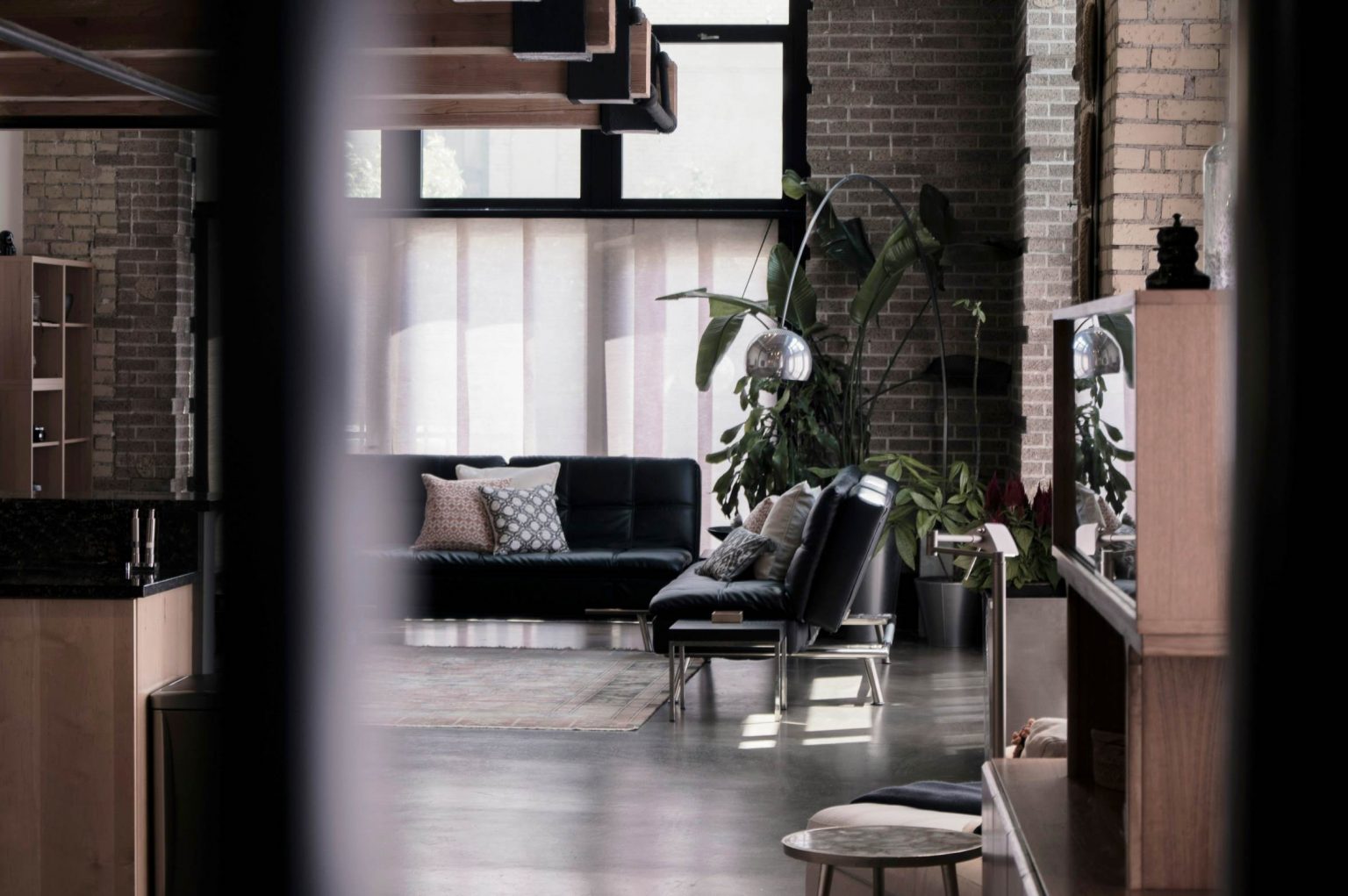
This phenomenon is due to various reasons, from the evolution of consumer habits to the need to optimize urban spaces in a changing environment. In this post, we will explore what this trend entails, the areas where it is most prevalent, the opportunities it offers, the process of change, and how it is necessary to find the best partner in the transformation process.
Large cities and metropolitan areas are the main centers of this trend. In cities such as Madrid, Barcelona, Valencia, and Malaga, the conversion of commercial premises into residential spaces is particularly popular due to the high demand for housing and the availability of vacant commercial premises.
OPPORTUNITIES IN THE CHANGE OF USE FROM COMMERCIAL PREMISES TO HOUSING
- Taking Advantage of Empty Spaces: Many commercial premises have become empty due to the retail crisis and the pandemic. Converting these spaces into residential spaces allows for a new lease on life for underutilized properties.
- Housing Demand: In densely populated urban areas, the demand for housing continues to grow. Converting commercial premises into residential properties can be a solution to alleviate the housing shortage.
- Profitable Investment: For investors, this conversion can be a profitable investment, given the high demand for rental housing in central areas.
However, there are also drawbacks, such as renovation costs, as they can require a significant investment; administrative procedures, as the bureaucratic process can be long and complex, involving obtaining permits and licenses; and strict regulations, as complying with habitability and urban planning regulations can be challenging. Therefore, finding an expert partner in the process will be key to achieving the best results.
CHANGE OF USE PROCESS
The process of changing the use of commercial premises into residential properties includes several stages. First, a feasibility study is conducted to assess whether the premises can meet the technical and planning requirements for conversion into housing. This study considers aspects such as the maximum number of permitted dwellings, the minimum commercial surface area, the width of the façade, ventilation, and clearance height. Contact is also attempted with the Community to review the requirements. The bylaws are reviewed and potential obstacles to the change of use are identified, ensuring the viability of the project. If the change of use to residential is not feasible, other possibilities are explored, such as tourist apartments or even lofts, which can be legalized in certain regions. The implementation of storage units for operation or storage units for sale are other frequently explored possibilities. If the change of use is feasible, a consultation is initiated with the City Council, and a renovation and change of use project is developed that includes all the necessary adaptations. Subsequently, the construction work is carried out to complete the renovation work, a process fully supervised by Almar, from the selection of the construction company through a comparative analysis to the contracting and execution of the work. Finally, the property is legalized, ensuring compliance with all regulations to regularize its new status.
HOW CAN ALMAR HELP YOU WITH THE TRANSFORMATION?
At Almar, we are experts in the change of use of commercial premises into residential premises. We offer a comprehensive service that includes legal and technical advice, guiding you through the entire bureaucratic and legal process; a feasibility study, conducting a detailed analysis to ensure your project is viable; design and renovation, handling the design and execution of the works, guaranteeing a high-quality result; and comprehensive management, handling all aspects, from permits to the completion of the works. and asset reports and audits to evaluate and optimize the value and viability of the properties, as well as explore all the possibilities and opportunities they may offer.